A website redesign can change visual style without solving the problems that prevent people from completing a task. UX research helps teams understand what already works, where users struggle and which changes deserve priority before design begins.
Begin with evidence
Review analytics, search behavior, support questions and conversion paths. Interview representative users and observe them completing important tasks. The objective is to identify patterns, not to collect isolated preferences.
Preserve useful behavior
Existing users may depend on familiar navigation, terminology or workflows. Research reveals which elements should be retained even when the visual system changes.
Define measurable outcomes
Connect findings with objectives such as clearer comprehension, faster task completion, fewer errors or stronger conversion. These criteria make design decisions easier to evaluate.
Test before full implementation
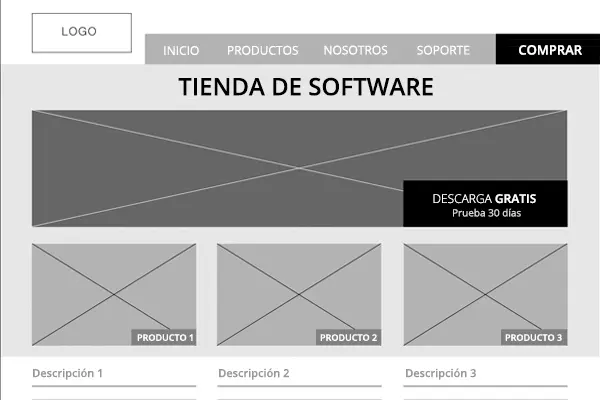
Prototype the new structure and key interactions, then test them with users before development is complete. Early feedback is less expensive to address.
A successful redesign is not simply newer. It is demonstrably easier and more useful for the people the website serves.