A content management system helps non-developers create and maintain digital content through structured fields, templates and publishing workflows. It is valuable when those capabilities solve a real operational need.
Use a CMS when content changes regularly
A CMS is useful for sites with multiple editors, frequent publishing, reusable content, approval requirements or content that appears across several channels.
Consider a simpler implementation when appropriate
A small, rarely updated site may not need the maintenance, security surface and complexity of a full platform. Static generation or a focused custom solution can be faster and easier to operate.
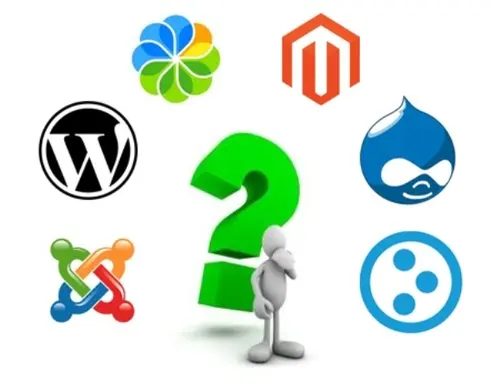
Evaluate more than features
Review editor experience, permissions, localization, accessibility, integrations, hosting, security updates, migration paths and total cost of ownership. Avoid selecting a platform simply because it is popular.
Model content before choosing technology
Define the content types, relationships and workflows the organization needs. That model makes platform evaluation more objective and reduces the risk of forcing content into unsuitable templates.
The best CMS is the one the team can govern reliably while delivering the experience users need.