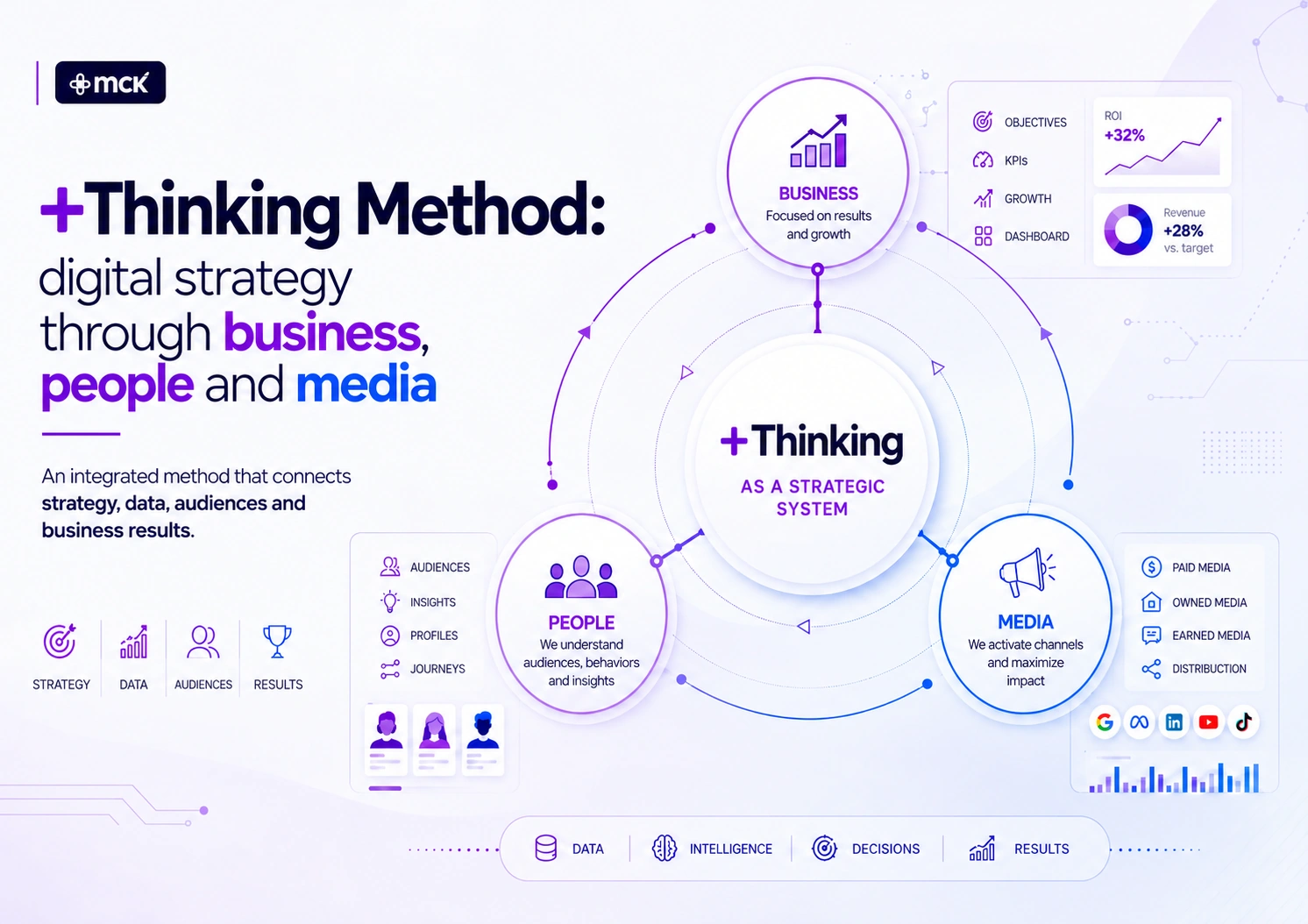
A T-shaped professional combines deep expertise in one area with enough breadth to collaborate across disciplines. The vertical part of the “T” represents specialization; the horizontal part represents shared understanding and cooperation.
Depth creates dependable contribution
Organizations need people who can solve difficult problems in strategy, design, data, technology, media or another field. Breadth should not replace mastery.
Breadth improves collaboration
A T-shaped person can understand neighboring disciplines, communicate tradeoffs and connect their work with the wider customer and business system.
Curiosity is not the same as role overload
Cross-functional ability should not become an expectation that one person performs several full-time specialties. Teams still need clear ownership and appropriate expertise.
Develop the shape deliberately
Strengthen the core discipline through practice and feedback, then learn adjacent concepts through shared projects, observation and structured study.
T-shaped talent is valuable because it supports both quality and integration. The model works best in organizations that reward knowledge sharing without undervaluing specialization.