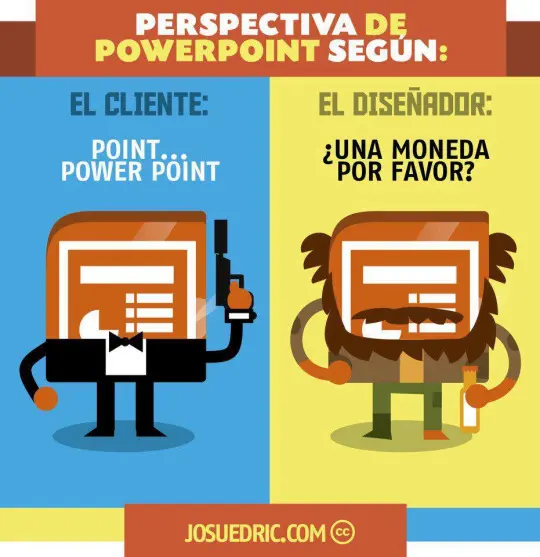
Digital communication can be interpreted differently from the way its creator intended. Audience context, prior experience, culture, device and surrounding conversation all shape meaning.
Separate intention from effect
A message can be well intentioned and still confuse or exclude people. Evaluate what the audience can reasonably understand from what is actually presented.
Look beyond your own viewpoint
Research the language, needs and concerns of the intended audience. Include people with different backgrounds and abilities in review when the decision affects them.
Consider the channel
A phrase that works in a detailed article may become misleading in a headline, notification or cropped social post. Design the message for the context in which it will appear.
Use feedback as evidence
Questions, support requests and repeated misunderstandings reveal where communication needs improvement. Do not dismiss them simply because the intended meaning seems obvious internally.
Clear communication begins with empathy but requires testing. The goal is not to control every interpretation; it is to reduce avoidable ambiguity and make the intended action understandable.