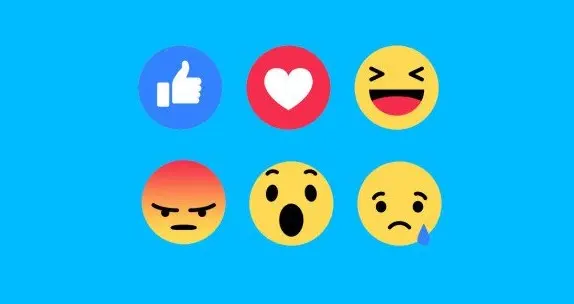
Historical coverage of the introduction of Facebook reactions and what richer engagement signals can—and cannot—reveal. The useful starting point is not a platform feature or isolated metric, but the decision the organization and its customers need to make.
Historical context
This article records a specific announcement, event or market moment. Product names, availability, rankings and organizations may have changed since the original publication, so they should not be read as current claims.
What remains useful
- Reactions expanded beyond the Like button in 2016.
- A reaction offers context but does not reveal a person’s full motivation.
- Use aggregated signals as prompts for research, not as automatic proof of sentiment.
How to use this information today
Treat the original event as context, then verify present-day details with primary sources. Compare the older example with current customer behavior, product documentation and business evidence before making a decision.
Editorial note: This English edition has been reviewed for historical clarity and contextual accuracy.