A B2B newsletter can maintain a direct relationship with customers and prospects when it consistently provides information worth opening. Its value comes from relevance and trust, not from sending as frequently as possible.
Serve a defined audience
Decision-makers, practitioners and existing customers may need different depth and examples. Define who the newsletter is for and what recurring problem it helps them solve.
Balance editorial and commercial content
Useful analysis, practical guidance and company insight can create context for products without turning every edition into a sales message.
Design for constrained attention
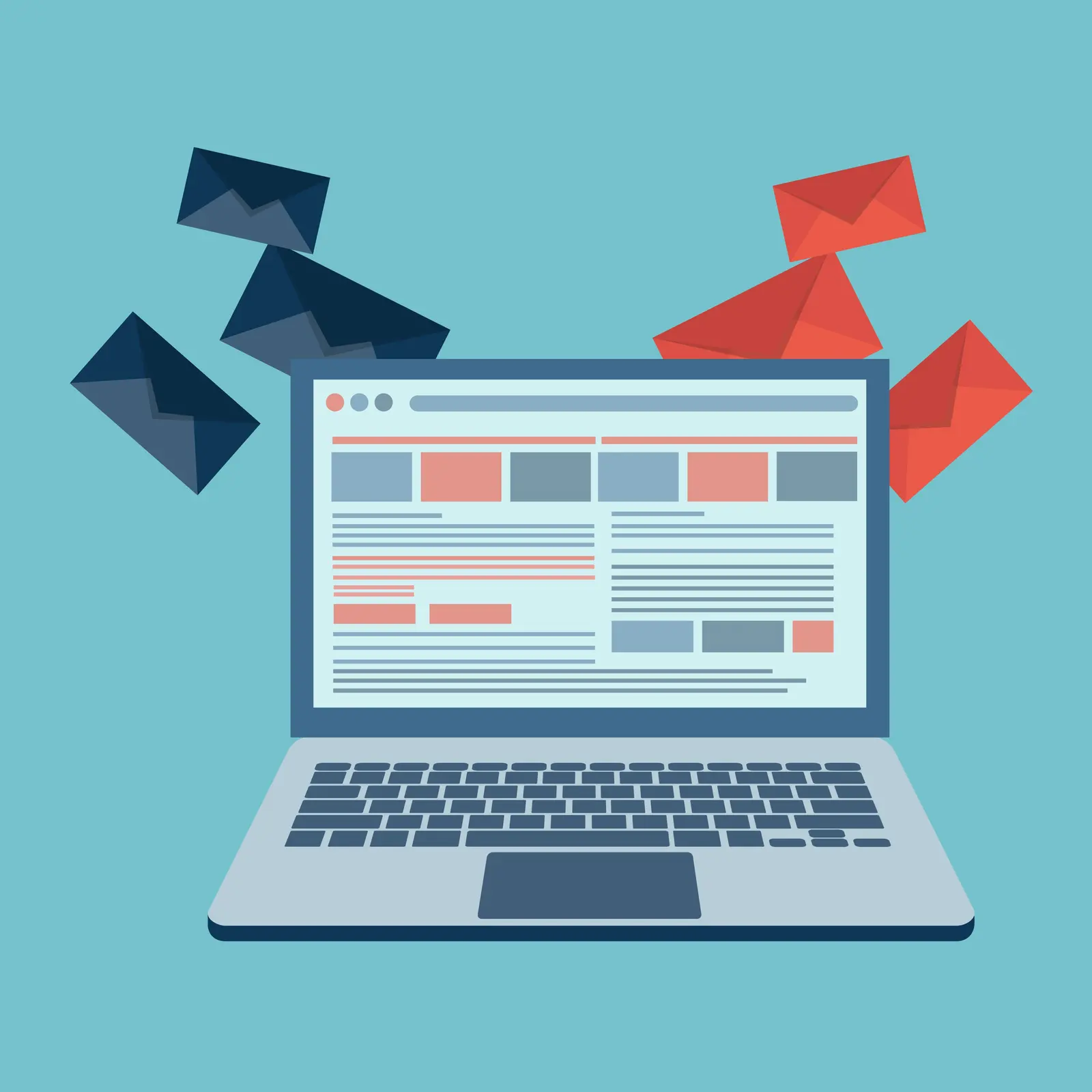
Use clear hierarchy, concise summaries and descriptive links. Templates should work on mobile devices, support assistive technology and remain understandable when images do not load.
Build a permission-based list
Explain what subscribers will receive, authenticate the sending domain and make preferences and unsubscribe options easy to manage.
Measure business relevance
Evaluate qualified visits, replies, leads, customer engagement and influenced opportunities alongside delivery metrics.
An effective B2B newsletter becomes a dependable professional resource rather than another recurring interruption.