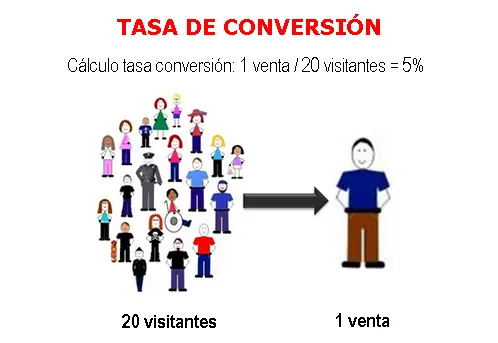
A conversion is a customer action that represents progress toward a business objective. It may be a purchase, qualified lead, subscription, appointment or another outcome defined by the organization.
Choose actions that carry value
Not every click should be treated as a conversion. Define primary outcomes and supporting actions, and explain how each relates to revenue, service or customer progress.
Implement measurement carefully
Track the action at a dependable completion point, validate it across devices and avoid duplicate events. Respect consent and collect only the data the business can justify.
Understand attribution limits
Platforms may assign the same outcome to different interactions. Attribution windows, identity gaps and offline activity affect reported results, so totals should not be added without reconciliation.
Evaluate quality
A lead that never qualifies is not equivalent to a sale. Connect marketing data with downstream outcomes when appropriate and monitor conversion value, not only volume.
Conversion measurement is useful when definitions are stable, implementation is tested and results inform decisions rather than simply decorate a report.